![[EN]](data:image/png;base64,iVBORw0KGgoAAAANSUhEUgAAAB4AAAAUCAYAAACaq43EAAAAGXRFWHRTb2Z0d2FyZQBBZG9iZSBJbWFnZVJlYWR5ccllPAAAAyRpVFh0WE1MOmNvbS5hZG9iZS54bXAAAAAAADw/eHBhY2tldCBiZWdpbj0i77u/IiBpZD0iVzVNME1wQ2VoaUh6cmVTek5UY3prYzlkIj8+IDx4OnhtcG1ldGEgeG1sbnM6eD0iYWRvYmU6bnM6bWV0YS8iIHg6eG1wdGs9IkFkb2JlIFhNUCBDb3JlIDUuMy1jMDExIDY2LjE0NTY2MSwgMjAxMi8wMi8wNi0xNDo1NjoyNyAgICAgICAgIj4gPHJkZjpSREYgeG1sbnM6cmRmPSJodHRwOi8vd3d3LnczLm9yZy8xOTk5LzAyLzIyLXJkZi1zeW50YXgtbnMjIj4gPHJkZjpEZXNjcmlwdGlvbiByZGY6YWJvdXQ9IiIgeG1sbnM6eG1wPSJodHRwOi8vbnMuYWRvYmUuY29tL3hhcC8xLjAvIiB4bWxuczp4bXBNTT0iaHR0cDovL25zLmFkb2JlLmNvbS94YXAvMS4wL21tLyIgeG1sbnM6c3RSZWY9Imh0dHA6Ly9ucy5hZG9iZS5jb20veGFwLzEuMC9zVHlwZS9SZXNvdXJjZVJlZiMiIHhtcDpDcmVhdG9yVG9vbD0iQWRvYmUgUGhvdG9zaG9wIENTNiAoTWFjaW50b3NoKSIgeG1wTU06SW5zdGFuY2VJRD0ieG1wLmlpZDpERTc5MkI3RjE3OEExMUUyQTcxNDlDNEFCRkNENzc2NiIgeG1wTU06RG9jdW1lbnRJRD0ieG1wLmRpZDpERTc5MkI4MDE3OEExMUUyQTcxNDlDNEFCRkNENzc2NiI+IDx4bXBNTTpEZXJpdmVkRnJvbSBzdFJlZjppbnN0YW5jZUlEPSJ4bXAuaWlkOkEyMTE0RjIyMTc4QTExRTJBNzE0OUM0QUJGQ0Q3NzY2IiBzdFJlZjpkb2N1bWVudElEPSJ4bXAuZGlkOkRFNzkyQjdFMTc4QTExRTJBNzE0OUM0QUJGQ0Q3NzY2Ii8+IDwvcmRmOkRlc2NyaXB0aW9uPiA8L3JkZjpSREY+IDwveDp4bXBtZXRhPiA8P3hwYWNrZXQgZW5kPSJyIj8+60cYSwAAAyhJREFUeNrElN1PU3cYxz/tOQUBD/aNymtbUAq2IOiUWXmZA40Iy2BzcW53y7JlyZLtZuE/8NaY7Gbe7WJbdJnTDOdQCbLKrERUotgCSodQ7AsFpK28yKT7rfsL2gv7JCcn+eV3zpPv5/l+H9X2xp65SqtJGfr1Fg3vNPD02SIhfwRniwP3pdvsOVxPaCHGs7+DOA/VJs8crXXEs3P48OfTfMIcU+SRaqlMzm8SNut2VuefIxvyydZIxFbWyX35iviLNZRiPZJaxdLyCkoiQUyc6cwFTPvC9FRkcbJMy7JaTrmxHIuvxaZm5xW7+Jl3NkKRaRt5OVlMjvuoqa9gwr9AgS4PvTYP78hjdtVVEAw9J+Kdxv7Td+hL8tGTeslGg8Jeexk3/riLs62O+cU441NBDjbZGbg+SlNbPYvRF9zzzHCoycFA/yhvCtRqnZbr5a1YEjGm5S2po1ZXfRHVaCTlWLODq24v1eWFGPVbuXH5Dh3vORm88xhziR5zoZ5rl9y0dx/ggS/EzGSQs5Ua3s39h7CUlbri0mKdUGzmijBXqzBXYH4Z931fsmlf7zBvd+wjIigMDI/TcbyRvt+GOSgUZ62uU3S2h8IdRgrTQK1S2T6PyhpZ+aB9LxcF2hpbCUUF27hy4S+Of/wWfUMeykuNVIin9/xNuj9qYWR8juknIc5szNC1voA/DdSypayAhlor57/vp/NEC7OBRfpveek+0cwvP/7JsfedhEWcLg8+pOtkMxfOuTjc5WSrSc+S6ymSQYtGyk5dsVT9/4zbhZmu3Z5IztggXOwSZjvSuZ+hUR9mEan/KAz+PkJb5z7GngSYdXu46T9Ho3EL6ZSKnZ9Fax0W5aFrDNuB6mROA6El7BYTnns+bPt3srK2gV+QcIjIPRLzrxL3ZkLLfB0c40udRCAd1EfFNioxaSG+Sl2NmchSnCKjwh6HBWlzk/rd1uTyMOTn8MbuctRiieyqLKbKbqXs4gSvQmFephOnRCIRFW+F11yyp/3TtD/eSKjYTM4rjcZh110yUZlDPfnVqcwovkppRhRnDrX/2x+UjKDuJXcuE4r/FWAAjBMttNdoYOEAAAAASUVORK5CYII=)
Businesses are constantly looking for innovative ways to gather customer feedback and improve their products and services. One such approach that has gained popularity in recent years is integrating Net Promoter Score (NPS) with chatbots to collect feedback in real-time conversations.
This article will explore the benefits of this integration, how to implement it effectively, best practices, case studies, common challenges, and more.
Understanding NPS
What is NPS?
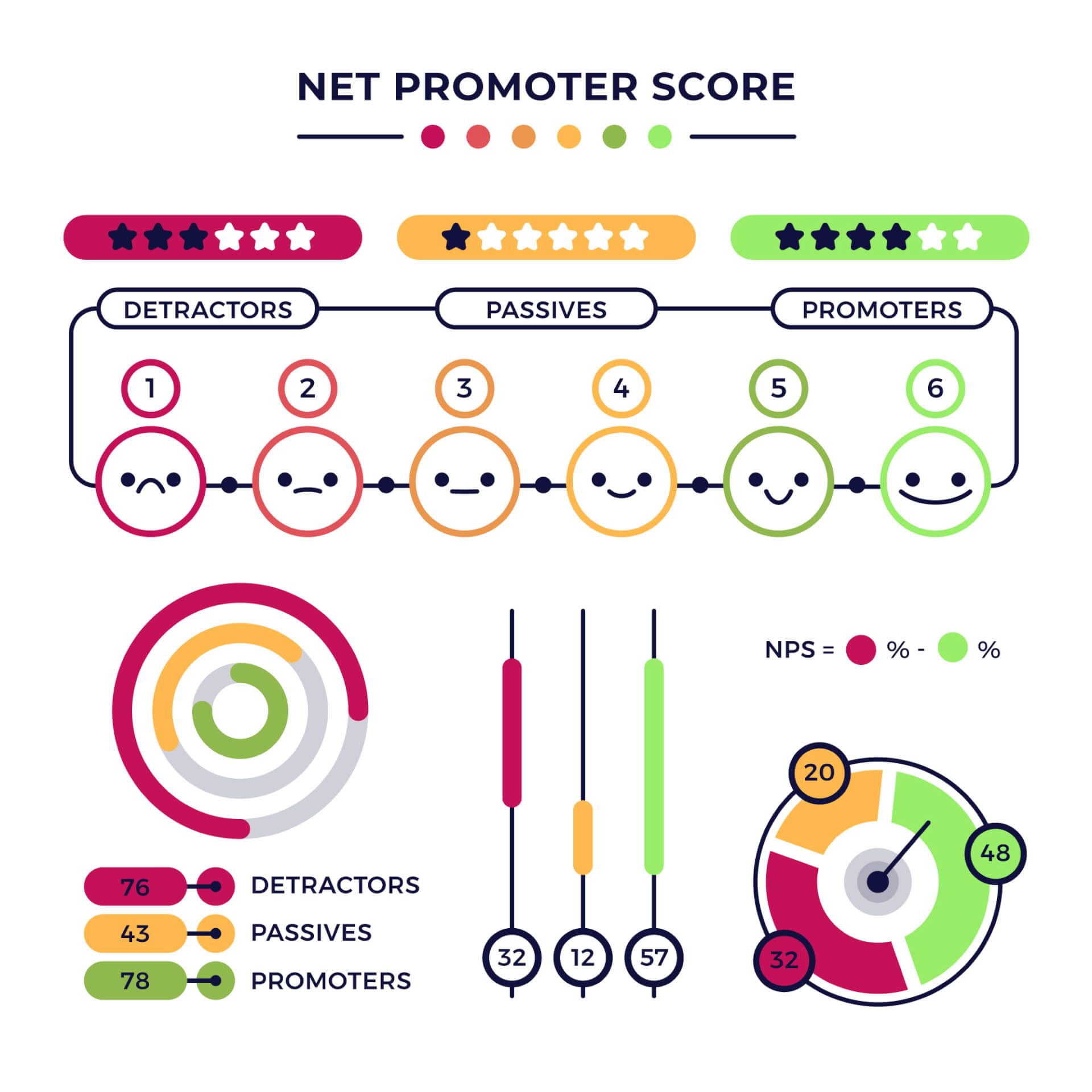
Net Promoter Score (NPS) is a metric used to measure customer loyalty and satisfaction based on the simple question: "How likely are you to recommend our product/service to a friend or colleague?" Customers are then categorized as Promoters (score 9-10), Passives (score 7-8), or Detractors (score 0-6). The NPS is calculated by subtracting the percentage of Detractors from the percentage of Promoters.
How is NPS calculated?
NPS is calculated on a scale of -100 to 100, with scores above 0 considered good, and scores above 50 considered excellent. The goal is to have a high percentage of Promoters and a low percentage of Detractors to achieve a positive NPS score.
Importance of NPS in business
NPS is a valuable tool for businesses to gauge customer satisfaction, identify areas for improvement, and measure customer loyalty. It provides actionable insights that can help companies make informed decisions and enhance the overall customer experience.
The Rise of Chatbots

What are chatbots?
Chatbots are AI-powered virtual assistants that can simulate conversations with users in real-time. They are used in various industries for customer service, lead generation, and sales support.
Chatbots can provide instant responses to customer queries, streamline communication, and improve efficiency.
Benefits of using chatbots
Chatbots offer several benefits for businesses, including 24/7 availability, faster response times, cost savings, and scalability.
They can handle repetitive tasks, free up human agents for more complex issues, and provide personalized interactions with customers.
Integrating chatbots into customer service
Integrating chatbots into customer service workflows can enhance the overall customer experience by providing quick and efficient support. Chatbots can assist customers with common inquiries, route them to the appropriate department, and gather valuable feedback through interactive conversations.
Why Integrate NPS with Chatbots?
Real-time feedback collection
Integrating NPS with chatbots allows businesses to collect feedback from customers in real-time conversations. This immediate feedback can provide valuable insights into customer satisfaction levels, preferences, and pain points. Companies can use this data to make timely improvements and address customer concerns proactively.
Seamless customer experience
By integrating NPS with chatbots, businesses can create a seamless and integrated customer experience. Customers can provide feedback within the same chat interface they use for support inquiries, making it convenient and easy for them to share their thoughts.
This streamlined approach can increase response rates and engagement.
Data-driven decision-making
Combining NPS data with chatbot interactions enables businesses to make data-driven decisions based on customer feedback. By analyzing trends, sentiment, and customer responses, companies can identify patterns, areas for improvement, and opportunities for growth.
This insight can drive strategic initiatives and enhance the overall customer experience.
How to Integrate NPS with Chatbots
Choosing the right chatbot platform
When integrating NPS with chatbots, it's essential to choose the right platform that aligns with your business goals and customer needs.
- Consider factors such as scalability, customization options, integration capabilities, and analytics features.
- Select a platform that can support NPS surveys, feedback collection, and data analysis effectively.
Designing NPS surveys for chatbots
Design NPS surveys that are concise, engaging, and easy to understand within the chatbot interface. Keep the questions simple and relevant to gather actionable feedback. Use interactive elements such as buttons, emojis, and multimedia to enhance the survey experience and encourage participation. Test the surveys to ensure they are user-friendly and provide valuable insights.
Analyzing and acting on NPS feedback
Once you have collected NPS feedback through chatbots, analyze the data to identify trends, sentiment, and areas for improvement. Use this feedback to prioritize initiatives, address customer concerns, and enhance the overall customer experience. Implement changes based on the feedback received and track the impact on customer satisfaction and loyalty over time.
Best Practices for NPS and Chatbot Integration

Personalization and customization
Personalize the chatbot interactions and NPS surveys based on customer preferences, past interactions, and demographics. Tailor the messaging, tone, and content to create a personalized experience that resonates with customers. Customize the NPS surveys to gather specific feedback that aligns with your business objectives and customer satisfaction metrics.
Proactive engagement
Use chatbots to proactively engage with customers and solicit feedback at key touchpoints in the customer journey. Prompt customers to provide feedback after a support interaction, purchase, or product experience. Engage with customers in a conversational manner that encourages open communication and honest feedback. Show appreciation for their input and demonstrate that their feedback is valued.
Continuous improvement and optimization
Continuously monitor and optimize the NPS and chatbot integration to improve the feedback collection process. Collect feedback on the chatbot performance, survey effectiveness, and customer satisfaction levels. Use this feedback to make iterative improvements, experiment with new features, and enhance the overall customer experience.
Measure the impact of these changes on NPS scores and customer loyalty metrics.
Case Studies: Successful Implementation of NPS and Chatbot Integration
Example 1: Improving customer satisfaction
The Company in our first example integrated NPS with chatbots to gather real-time feedback from customers during support interactions. By collecting feedback in the chat interface, they were able to identify common issues, address customer concerns proactively, and improve response times.
This integration led to a significant increase in customer satisfaction scores and loyalty.
Example 2: Increasing customer loyalty
The Company in our second example used chatbots to engage with customers at key touchpoints and solicit NPS feedback after purchases. By integrating NPS surveys into the chatbot conversations, they were able to gather valuable insights into customer preferences, satisfaction levels, and loyalty drivers.
This data helped them tailor their offerings, enhance the customer experience, and increase customer retention rates.
Common Challenges and How to Overcome Them

Ensuring data accuracy
One common challenge when integrating NPS with chatbots is ensuring data accuracy and reliability.
To overcome this challenge, businesses should implement data validation checks, monitor survey responses for inconsistencies, and verify the integrity of the feedback collected.
Use data analytics tools to identify anomalies, trends, and outliers that may impact the accuracy of the NPS scores.
Managing customer expectations
Another challenge is managing customer expectations when soliciting feedback through chatbots. To address this challenge, set clear expectations with customers about the purpose of the NPS surveys, how their feedback will be used, and the benefits of providing input.
Communicate the value of their feedback in improving the overall customer experience and demonstrate a commitment to acting on their suggestions.
Integrating NPS feedback into business processes
Integrating NPS feedback into existing business processes can be a challenge for some organizations. To overcome this challenge, create a feedback loop that connects NPS data with customer service, product development, and marketing teams.
Share the feedback insights across departments, prioritize action items based on customer feedback, and track the progress of initiatives to address customer concerns.
Align the NPS feedback with key performance indicators (KPIs) to measure the impact on business outcomes.
Conclusion
In conclusion, integrating NPS with chatbots offers businesses a powerful tool to collect feedback in real-time conversations, enhance the customer experience, and drive data-driven decision-making. By leveraging the benefits of chatbots and NPS, companies can gather valuable insights, improve customer satisfaction, and increase loyalty.
Implementing best practices, analyzing feedback, and overcoming common challenges are key to successful integration and maximizing the impact on business outcomes.
FAQ
How can businesses benefit from integrating NPS with chatbots?
Integrating NPS with chatbots allows businesses to collect feedback in real-time conversations, enhance the customer experience, and make data-driven decisions based on customer insights.
What are some best practices for designing NPS surveys for chatbots?
Best practices for designing NPS surveys for chatbots include keeping the questions simple and relevant, using interactive elements, and personalizing the survey experience based on customer preferences.
How can businesses overcome challenges when integrating NPS with chatbots?
Businesses can overcome challenges by ensuring data accuracy, managing customer expectations, and integrating NPS feedback into existing business processes through a feedback loop and cross-departmental collaboration.
What are some successful case studies of NPS and chatbot integration?
Successful case studies include companies that have improved customer satisfaction, increased loyalty, and enhanced the overall customer experience by integrating NPS with chatbots to gather real-time feedback.
How can businesses measure the impact of integrating NPS with chatbots on customer satisfaction and loyalty?
Businesses can measure the impact by tracking NPS scores, customer retention rates, repeat purchase behavior, and other key performance indicators (KPIs) that reflect customer satisfaction and loyalty.