![[EN]](data:image/png;base64,iVBORw0KGgoAAAANSUhEUgAAAB4AAAAUCAYAAACaq43EAAAAGXRFWHRTb2Z0d2FyZQBBZG9iZSBJbWFnZVJlYWR5ccllPAAAAyRpVFh0WE1MOmNvbS5hZG9iZS54bXAAAAAAADw/eHBhY2tldCBiZWdpbj0i77u/IiBpZD0iVzVNME1wQ2VoaUh6cmVTek5UY3prYzlkIj8+IDx4OnhtcG1ldGEgeG1sbnM6eD0iYWRvYmU6bnM6bWV0YS8iIHg6eG1wdGs9IkFkb2JlIFhNUCBDb3JlIDUuMy1jMDExIDY2LjE0NTY2MSwgMjAxMi8wMi8wNi0xNDo1NjoyNyAgICAgICAgIj4gPHJkZjpSREYgeG1sbnM6cmRmPSJodHRwOi8vd3d3LnczLm9yZy8xOTk5LzAyLzIyLXJkZi1zeW50YXgtbnMjIj4gPHJkZjpEZXNjcmlwdGlvbiByZGY6YWJvdXQ9IiIgeG1sbnM6eG1wPSJodHRwOi8vbnMuYWRvYmUuY29tL3hhcC8xLjAvIiB4bWxuczp4bXBNTT0iaHR0cDovL25zLmFkb2JlLmNvbS94YXAvMS4wL21tLyIgeG1sbnM6c3RSZWY9Imh0dHA6Ly9ucy5hZG9iZS5jb20veGFwLzEuMC9zVHlwZS9SZXNvdXJjZVJlZiMiIHhtcDpDcmVhdG9yVG9vbD0iQWRvYmUgUGhvdG9zaG9wIENTNiAoTWFjaW50b3NoKSIgeG1wTU06SW5zdGFuY2VJRD0ieG1wLmlpZDpERTc5MkI3RjE3OEExMUUyQTcxNDlDNEFCRkNENzc2NiIgeG1wTU06RG9jdW1lbnRJRD0ieG1wLmRpZDpERTc5MkI4MDE3OEExMUUyQTcxNDlDNEFCRkNENzc2NiI+IDx4bXBNTTpEZXJpdmVkRnJvbSBzdFJlZjppbnN0YW5jZUlEPSJ4bXAuaWlkOkEyMTE0RjIyMTc4QTExRTJBNzE0OUM0QUJGQ0Q3NzY2IiBzdFJlZjpkb2N1bWVudElEPSJ4bXAuZGlkOkRFNzkyQjdFMTc4QTExRTJBNzE0OUM0QUJGQ0Q3NzY2Ii8+IDwvcmRmOkRlc2NyaXB0aW9uPiA8L3JkZjpSREY+IDwveDp4bXBtZXRhPiA8P3hwYWNrZXQgZW5kPSJyIj8+60cYSwAAAyhJREFUeNrElN1PU3cYxz/tOQUBD/aNymtbUAq2IOiUWXmZA40Iy2BzcW53y7JlyZLtZuE/8NaY7Gbe7WJbdJnTDOdQCbLKrERUotgCSodQ7AsFpK28yKT7rfsL2gv7JCcn+eV3zpPv5/l+H9X2xp65SqtJGfr1Fg3vNPD02SIhfwRniwP3pdvsOVxPaCHGs7+DOA/VJs8crXXEs3P48OfTfMIcU+SRaqlMzm8SNut2VuefIxvyydZIxFbWyX35iviLNZRiPZJaxdLyCkoiQUyc6cwFTPvC9FRkcbJMy7JaTrmxHIuvxaZm5xW7+Jl3NkKRaRt5OVlMjvuoqa9gwr9AgS4PvTYP78hjdtVVEAw9J+Kdxv7Td+hL8tGTeslGg8Jeexk3/riLs62O+cU441NBDjbZGbg+SlNbPYvRF9zzzHCoycFA/yhvCtRqnZbr5a1YEjGm5S2po1ZXfRHVaCTlWLODq24v1eWFGPVbuXH5Dh3vORm88xhziR5zoZ5rl9y0dx/ggS/EzGSQs5Ua3s39h7CUlbri0mKdUGzmijBXqzBXYH4Z931fsmlf7zBvd+wjIigMDI/TcbyRvt+GOSgUZ62uU3S2h8IdRgrTQK1S2T6PyhpZ+aB9LxcF2hpbCUUF27hy4S+Of/wWfUMeykuNVIin9/xNuj9qYWR8juknIc5szNC1voA/DdSypayAhlor57/vp/NEC7OBRfpveek+0cwvP/7JsfedhEWcLg8+pOtkMxfOuTjc5WSrSc+S6ymSQYtGyk5dsVT9/4zbhZmu3Z5IztggXOwSZjvSuZ+hUR9mEan/KAz+PkJb5z7GngSYdXu46T9Ho3EL6ZSKnZ9Fax0W5aFrDNuB6mROA6El7BYTnns+bPt3srK2gV+QcIjIPRLzrxL3ZkLLfB0c40udRCAd1EfFNioxaSG+Sl2NmchSnCKjwh6HBWlzk/rd1uTyMOTn8MbuctRiieyqLKbKbqXs4gSvQmFephOnRCIRFW+F11yyp/3TtD/eSKjYTM4rjcZh110yUZlDPfnVqcwovkppRhRnDrX/2x+UjKDuJXcuE4r/FWAAjBMttNdoYOEAAAAASUVORK5CYII=)
One way to measure customer satisfaction is through Net Promoter Score (NPS), a metric that gauges customer loyalty and satisfaction. But how do you know if your NPS is good or bad?
In this article, we will explore the concept of benchmarking your NPS against industry averages to see where you stand.
What is NPS?
Net Promoter Score (NPS) is a metric used to measure customer loyalty and satisfaction. It is based on the simple question: "On a scale of 0-10, how likely are you to recommend our company to a friend or colleague?"
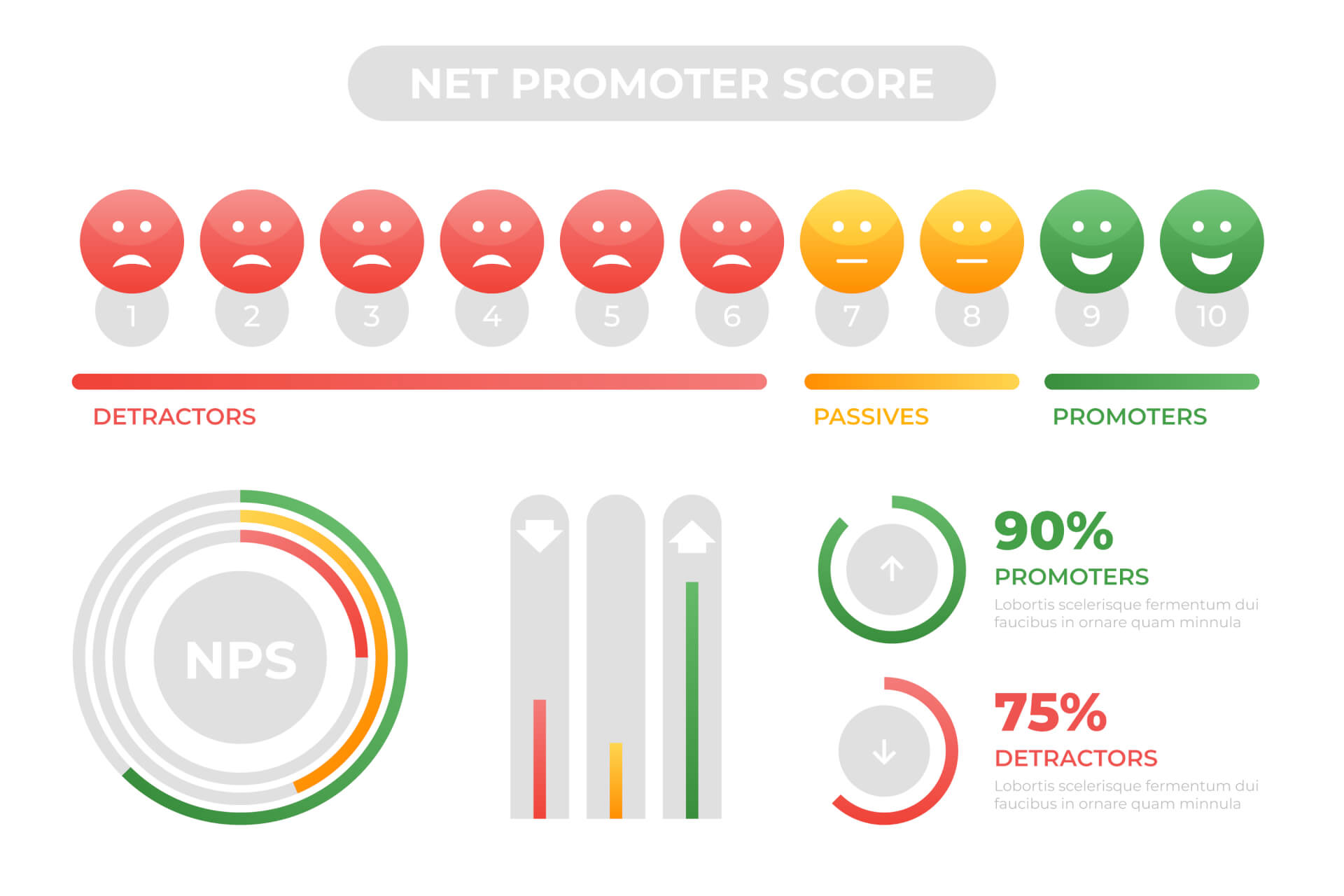
Customers are then categorized into three groups: Promoters (9-10), Passives (7-8), and Detractors (0-6). The NPS is calculated by subtracting the percentage of Detractors from the percentage of Promoters.
Why Benchmark Your NPS?
Benchmarking your NPS against industry averages can provide valuable insights into how your company is performing compared to competitors. It can help identify areas for improvement and set realistic goals for growth. By knowing where you stand in relation to the industry average, you can better understand your strengths and weaknesses.
How to Benchmark Your NPS:
- Research industry benchmarks: Look for industry-specific NPS benchmarks to compare your scores against.
- Calculate your NPS: Survey your customers and calculate your NPS using the formula mentioned earlier.
- Compare your NPS: Compare your NPS to industry averages to see how you stack up.
- Identify areas for improvement: Analyze the data to identify areas where you can improve your NPS score.
Industry Average NPS Scores
Different industries have different average NPS scores. For example, the tech industry typically has higher NPS scores than the airline industry. It's important to compare your NPS to companies within your industry to get an accurate benchmark.
Tips for Improving Your NPS

1 - Listen to customer feedback
Pay attention to what your customers are saying and use their feedback to make improvements.
2 - Provide excellent customer service
Train your employees to provide top-notch customer service at every touchpoint.
3 - Offer incentives for referrals
Encourage satisfied customers to refer their friends and colleagues by offering incentives.
4 - Communicate with customers
Keep your customers informed about new products, services, and promotions to keep them engaged.
Conclusion
Benchmarking your NPS against industry averages is a valuable tool for measuring customer satisfaction and loyalty. By comparing your scores to industry benchmarks, you can gain valuable insights into how your company is performing and identify areas for improvement. Use the tips mentioned in this article to improve your NPS and stay ahead of the competition.
Reading recommendation: If this article helped you and you would like to find out more about the Net Promoter Score, continue reading here: “The Net Promoter Score – Basics and Areas of Application”
FAQs
What is a good NPS score?
A good NPS score typically falls between 50-70, but this can vary by industry. It's important to compare your score to industry averages for a more accurate benchmark.
How often should I benchmark my NPS?
It's a good idea to benchmark your NPS at least once a year to track your progress and identify areas for improvement.
Can NPS be used in any industry?
Yes, NPS can be used in any industry to measure customer loyalty and satisfaction. It's important to compare your scores to industry averages for a more accurate benchmark.
How can I calculate my NPS?
To calculate your NPS, survey your customers and ask them the NPS question: "On a scale of 0-10, how likely are you to recommend our company to a friend or colleague?" Then, calculate the percentage of Promoters and Detractors and subtract the two.
What are some common pitfalls to avoid when benchmarking your NPS?
Some common pitfalls to avoid when benchmarking your NPS include comparing your score to irrelevant benchmarks, not considering industry-specific factors, and neglecting to take action based on the results.