![[EN]](data:image/png;base64,iVBORw0KGgoAAAANSUhEUgAAAB4AAAAUCAYAAACaq43EAAAAGXRFWHRTb2Z0d2FyZQBBZG9iZSBJbWFnZVJlYWR5ccllPAAAAyRpVFh0WE1MOmNvbS5hZG9iZS54bXAAAAAAADw/eHBhY2tldCBiZWdpbj0i77u/IiBpZD0iVzVNME1wQ2VoaUh6cmVTek5UY3prYzlkIj8+IDx4OnhtcG1ldGEgeG1sbnM6eD0iYWRvYmU6bnM6bWV0YS8iIHg6eG1wdGs9IkFkb2JlIFhNUCBDb3JlIDUuMy1jMDExIDY2LjE0NTY2MSwgMjAxMi8wMi8wNi0xNDo1NjoyNyAgICAgICAgIj4gPHJkZjpSREYgeG1sbnM6cmRmPSJodHRwOi8vd3d3LnczLm9yZy8xOTk5LzAyLzIyLXJkZi1zeW50YXgtbnMjIj4gPHJkZjpEZXNjcmlwdGlvbiByZGY6YWJvdXQ9IiIgeG1sbnM6eG1wPSJodHRwOi8vbnMuYWRvYmUuY29tL3hhcC8xLjAvIiB4bWxuczp4bXBNTT0iaHR0cDovL25zLmFkb2JlLmNvbS94YXAvMS4wL21tLyIgeG1sbnM6c3RSZWY9Imh0dHA6Ly9ucy5hZG9iZS5jb20veGFwLzEuMC9zVHlwZS9SZXNvdXJjZVJlZiMiIHhtcDpDcmVhdG9yVG9vbD0iQWRvYmUgUGhvdG9zaG9wIENTNiAoTWFjaW50b3NoKSIgeG1wTU06SW5zdGFuY2VJRD0ieG1wLmlpZDpERTc5MkI3RjE3OEExMUUyQTcxNDlDNEFCRkNENzc2NiIgeG1wTU06RG9jdW1lbnRJRD0ieG1wLmRpZDpERTc5MkI4MDE3OEExMUUyQTcxNDlDNEFCRkNENzc2NiI+IDx4bXBNTTpEZXJpdmVkRnJvbSBzdFJlZjppbnN0YW5jZUlEPSJ4bXAuaWlkOkEyMTE0RjIyMTc4QTExRTJBNzE0OUM0QUJGQ0Q3NzY2IiBzdFJlZjpkb2N1bWVudElEPSJ4bXAuZGlkOkRFNzkyQjdFMTc4QTExRTJBNzE0OUM0QUJGQ0Q3NzY2Ii8+IDwvcmRmOkRlc2NyaXB0aW9uPiA8L3JkZjpSREY+IDwveDp4bXBtZXRhPiA8P3hwYWNrZXQgZW5kPSJyIj8+60cYSwAAAyhJREFUeNrElN1PU3cYxz/tOQUBD/aNymtbUAq2IOiUWXmZA40Iy2BzcW53y7JlyZLtZuE/8NaY7Gbe7WJbdJnTDOdQCbLKrERUotgCSodQ7AsFpK28yKT7rfsL2gv7JCcn+eV3zpPv5/l+H9X2xp65SqtJGfr1Fg3vNPD02SIhfwRniwP3pdvsOVxPaCHGs7+DOA/VJs8crXXEs3P48OfTfMIcU+SRaqlMzm8SNut2VuefIxvyydZIxFbWyX35iviLNZRiPZJaxdLyCkoiQUyc6cwFTPvC9FRkcbJMy7JaTrmxHIuvxaZm5xW7+Jl3NkKRaRt5OVlMjvuoqa9gwr9AgS4PvTYP78hjdtVVEAw9J+Kdxv7Td+hL8tGTeslGg8Jeexk3/riLs62O+cU441NBDjbZGbg+SlNbPYvRF9zzzHCoycFA/yhvCtRqnZbr5a1YEjGm5S2po1ZXfRHVaCTlWLODq24v1eWFGPVbuXH5Dh3vORm88xhziR5zoZ5rl9y0dx/ggS/EzGSQs5Ua3s39h7CUlbri0mKdUGzmijBXqzBXYH4Z931fsmlf7zBvd+wjIigMDI/TcbyRvt+GOSgUZ62uU3S2h8IdRgrTQK1S2T6PyhpZ+aB9LxcF2hpbCUUF27hy4S+Of/wWfUMeykuNVIin9/xNuj9qYWR8juknIc5szNC1voA/DdSypayAhlor57/vp/NEC7OBRfpveek+0cwvP/7JsfedhEWcLg8+pOtkMxfOuTjc5WSrSc+S6ymSQYtGyk5dsVT9/4zbhZmu3Z5IztggXOwSZjvSuZ+hUR9mEan/KAz+PkJb5z7GngSYdXu46T9Ho3EL6ZSKnZ9Fax0W5aFrDNuB6mROA6El7BYTnns+bPt3srK2gV+QcIjIPRLzrxL3ZkLLfB0c40udRCAd1EfFNioxaSG+Sl2NmchSnCKjwh6HBWlzk/rd1uTyMOTn8MbuctRiieyqLKbKbqXs4gSvQmFephOnRCIRFW+F11yyp/3TtD/eSKjYTM4rjcZh110yUZlDPfnVqcwovkppRhRnDrX/2x+UjKDuJXcuE4r/FWAAjBMttNdoYOEAAAAASUVORK5CYII=)
One of the key tools that organizations use to measure and improve customer retention is Net Promoter Score (NPS). However, NPS is more than just a metric – it is a powerful driver of customer loyalty and satisfaction.
In this article, we will delve into the mechanics of NPS, the impact of NPS on customer retention, strategies for leveraging NPS effectively, best practices for NPS implementation, and how to measure the success of NPS initiatives. By the end of this guide, you will have a comprehensive understanding of how NPS can drive customer retention and loyalty.

What is NPS?
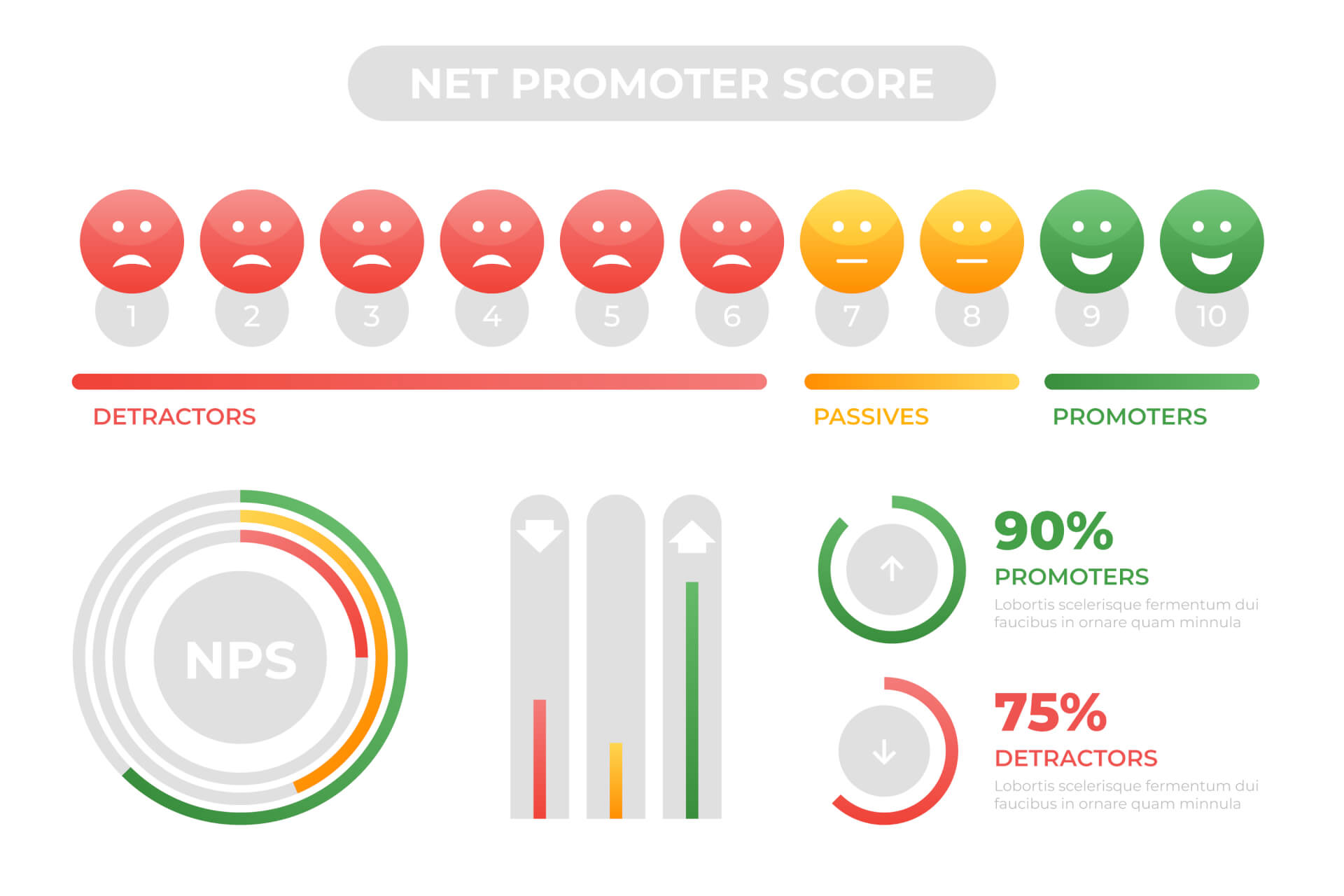
Net Promoter Score (NPS) is a metric used to measure customer loyalty and satisfaction based on a simple question: "How likely are you to recommend our product/service to a friend or colleague?" Customers are then classified into three categories: Promoters, Passives, and Detractors, based on their responses.
Importance of Customer Retention
Customer retention is essential for the long-term success of any business. Acquiring new customers can be up to five times more expensive than retaining existing ones. By focusing on retaining customers, companies can increase revenue, reduce churn, and build a loyal customer base.
Understanding NPS
- How NPS Works : NPS is calculated by subtracting the percentage of Detractors from the percentage of Promoters. The resulting score can range from -100 to +100, with higher scores indicating higher levels of customer loyalty and satisfaction.
- Calculating NPS : To calculate NPS, companies typically send out NPS surveys to customers and ask them to rate their likelihood of recommending the product or service on a scale of 0 to 10. Based on their responses, customers are categorized into Promoters (9-10), Passives (7-8), and Detractors (0-6).
- Interpreting NPS Scores : NPS scores can provide valuable insights into customer sentiment and loyalty. Companies with high NPS scores tend to have lower churn rates, higher customer lifetime value, and increased word-of-mouth referrals. Conversely, low NPS scores can indicate areas for improvement in customer experience and satisfaction.
The Impact of NPS on Customer Retention

Building Customer Loyalty
NPS can help companies identify loyal customers who are likely to advocate for the brand and refer new business.
By focusing on converting Promoters into brand ambassadors, companies can drive customer retention and organic growth.
Identifying At-Risk Customers
NPS also allows companies to identify At-Risk customers who may be dissatisfied with the product or service.
By proactively addressing their concerns and improving their experience, companies can prevent churn and retain valuable customers.
Improving Customer Experience
NPS feedback provides valuable insights into customer preferences, pain points, and expectations. By leveraging this feedback to make data-driven improvements to products, services, and processes, companies can enhance the overall customer experience and drive retention.
Strategies for Leveraging NPS

Using NPS Feedback Effectively
Companies can use NPS feedback to identify trends, patterns, and areas for improvement. By analyzing feedback data, companies can prioritize initiatives that will have the greatest impact on customer satisfaction and retention.
Implementing NPS Across the Organization
NPS should not be siloed within the customer service or marketing departments. Companies should integrate NPS feedback into all aspects of the organization, from product development to sales to customer support, to ensure a holistic approach to customer retention.
Integrating NPS with Customer Success
NPS can complement customer success initiatives by providing a quantitative measure of customer satisfaction. By aligning NPS scores with customer success metrics, companies can proactively address customer needs and drive long-term retention.
Best Practices for NPS Implementation

Setting Realistic Goals
Companies should establish clear goals and objectives for their NPS initiatives, such as increasing overall score, reducing Detractors, or improving customer satisfaction.
By setting realistic targets, companies can track progress and measure success effectively.
Engaging Customers for Feedback
Engaging customers in the feedback process is essential for collecting meaningful and actionable insights.
Companies should make it easy for customers to provide feedback through multiple channels, such as surveys, reviews, and social media.
Continuous Monitoring and Improvement
NPS is not a one-time exercise – it requires ongoing monitoring and improvement. Companies should regularly track NPS scores, analyze feedback data, and implement changes based on customer insights to drive continuous improvement in customer retention.
Measuring the Success of NPS
Tracking Customer Retention Rates
One of the key metrics for measuring the success of NPS is customer retention rates. Companies can track the percentage of customers who remain loyal over time and correlate retention rates with NPS scores to assess the impact of NPS on customer retention.
Monitoring Customer Lifetime Value
Customer Lifetime Value (CLV) is another important metric that can be influenced by NPS. Companies can analyze the CLV of Promoters, Passives, and Detractors to understand the long-term value of different customer segments and tailor retention strategies accordingly.
Analyzing Customer Feedback Trends
By analyzing trends in NPS feedback over time, companies can identify patterns, themes, and areas for improvement. Companies should look for recurring issues, emerging trends, and opportunities to enhance the customer experience based on feedback data.
Conclusion
In conclusion, NPS is a powerful tool for driving customer retention and loyalty beyond the score. By leveraging NPS feedback effectively, implementing strategies for retention, and measuring the success of NPS initiatives, companies can build a loyal customer base and sustain long-term growth.
Ultimately, customer retention is a strategic imperative for businesses seeking to thrive in a competitive market. By prioritizing customer loyalty, satisfaction, and advocacy through NPS, companies can differentiate themselves, drive growth, and maximize the lifetime value of their customers.
Reading recommendation: If this article helped you and you would like to find out more about the Net Promoter Score, continue reading here: “The Net Promoter Score – Basics and Areas of Application”
FAQs
How often should NPS surveys be conducted?
NPS surveys should be conducted regularly to track changes in customer sentiment and loyalty over time. The frequency of surveys may vary depending on the industry, customer base, and business objectives.
Can NPS scores vary by industry?
Yes, NPS scores can vary by industry due to differences in customer expectations, competition, and market dynamics. It is essential for companies to benchmark their NPS scores against industry standards to assess performance effectively.
What role does employee training play in NPS success?
Employee training plays a crucial role in NPS success by ensuring that frontline staff are equipped to deliver exceptional customer experiences. Well-trained employees can positively impact customer satisfaction, loyalty, and retention.
How can NPS be integrated with CRM systems?
NPS data can be integrated with CRM systems to centralize customer feedback, track customer interactions, and align NPS scores with customer profiles. By integrating NPS with CRM, companies can personalize the customer experience and drive retention.
What are some common pitfalls to avoid when implementing NPS?
Common pitfalls to avoid when implementing NPS include focusing solely on the score, neglecting follow-up actions, and failing to communicate results internally. Companies should prioritize action on feedback, engage cross-functional teams, and foster a culture of continuous improvement with NPS. By following these best practices, companies can harness the power of NPS to drive customer retention, loyalty, and long-term success in today's competitive marketplace.